Custom Die Cut Stickers: Design Benefits for Your Brand
Die-Cut Stickers: Expert Guide to Custom Sticker Printing, Uses, and Best Practices
Die-cut stickers have transformed the way businesses present their brand identities, allowing for creative expression and personalized marketing strategies. In this comprehensive guide, you will learn everything about die-cut stickers, from their definition and types to effective design principles and production processes. As businesses seek innovative ways to engage customers, die-cut stickers offer tangible solutions that enhance brand visibility and provide practical benefits. Whether you are a small business owner looking to promote your products or a designer exploring ways to expand your skills, this article will cover essential information on designing, ordering, and applying die-cut stickers. Key sections will include insights on the die-cutting process, material options, adhesive types, and best practices for effective utilization.
What Are Die-Cut Stickers and How Do They Enhance Branding?
Die-cut stickers are custom-shaped stickers crafted using a technique that cuts around the design's contour, allowing for unique shapes that attract attention. This flexibility in shape and design makes die-cut stickers a powerful branding tool, as they can be tailored to reflect a brand's identity more closely than traditional rectangular stickers. Their impact on marketing lies in their ability to enhance visual appeal, making them ideal for promotional campaigns and products. By creatively showcasing logos or designs, businesses can better engage their target audience and enhance brand recall.
What Defines Die-Cut Stickers: Shape, Material, and Adhesive Types?
The defining characteristics of die-cut stickers include their shape, material, and adhesive properties. Shapes can range from simple geometric forms to intricate designs mimicking logos, characters, or icons. Common materials used to produce these stickers are vinyl, paper, and eco-friendly alternatives, each offering distinct durability and aesthetic benefits. Moreover, the choice of adhesive can significantly influence the sticker's longevity and application; options include permanent, removable, and reusable adhesives, catering to different use cases and surfaces.
How Do Custom Die-Cut Stickers Support Small Business Promotional Needs?
Custom die-cut stickers serve as a versatile tool for small businesses, notably enhancing promotional efforts in several ways. By incorporating unique shapes related to their branding, small businesses can capture customer interest and create memorable interactions. For instance, a local coffee shop might use die-cut stickers shaped like coffee cups to distribute with purchases, encouraging customers to share their experience online. This not only increases visibility but also fosters brand loyalty as customers associate the fun, creative marketing with the business itself.
What Are the Key Design Principles for Effective Vinyl Sticker Creation?
Creating effective vinyl stickers involves adhering to certain design principles that enhance visual impact and usability. Key considerations include color theory, typography, and layout. Effective use of color can evoke specific emotions or lead consumer behavior, while careful selection of typefaces can ensure readability at various sizes. Moreover, the arrangement of elements impacts the overall aesthetic and functionality, making it crucial for designers to balance creativity with clarity.
Which Design Software and Tools Are Best for Custom Die-Cut Sticker Artwork?
When it comes to designing custom die-cut stickers, several software options stand out due to their unique features tailored for precision and creativity. Programs like Adobe Illustrator and CorelDRAW are popular for their powerful vector graphic capabilities, allowing designers to create detailed designs suitable for die-cutting. Additionally, user-friendly tools like Canva or Silhouette Studio cater to those new to design, making sticker creation accessible while still delivering professional results.
How Do Size, Shape, and Finish Impact Sticker Visual Appeal and Durability?
The size, shape, and finish of a sticker are critical factors that affect its visual appeal and durability. Larger stickers often provide more space for intricate designs but may not always be suitable for all applications. Shape plays a vital role in distinguishing a brand; however, it must be practical for its intended use. Additionally, the finish—whether gloss, matte, or transparent—can significantly alter how colors appear and the sticker's overall tactile experience, impacting both presentation and longevity.
How Is the Sticker Die Cutting Process Executed in Custom Printing?
The die-cutting process is essential in custom sticker production, ensuring that each sticker is cut precisely to its unique shape. This process typically involves digital die cutting technology, where designs are converted into machine-readable files that dictate the cutting path. The machine then uses blades to trace around the design, resulting in clean edges and consistent shapes across multiple stickers. Understanding this process is foundational for businesses seeking to produce high-quality stickers that reflect their branding effectively.
What Are the Digital Die Cutting Technologies Used for Precision and Quality?
Digital die cutting technologies have revolutionized the sticker production process by offering precision and flexibility. These technologies utilize laser cutting and electronic cutting machines that can interpret complex designs, ensuring accuracy at every stage. Techniques like contour cutting are employed to follow detailed graphics, thus minimizing material waste and maximizing production efficiency. The resulting high-quality stickers not only meet aesthetic expectations but also adhere to rigorous durability standards.
How Do Material Choices Like Vinyl and Eco-Friendly Options Affect Production?
The choice of material plays a significant role in both the production and end-use of die-cut stickers. Vinyl is a popular option due to its excellent outdoor durability and resistance to fading, making it suitable for car decals and product labels. Meanwhile, eco-friendly materials are gaining traction among consumers who prioritize sustainability. These materials often provide a sufficient balance between environmental responsibility and performance, appealing to a growing market seeking green alternatives.
Which Adhesive and Material Options Maximize Sticker Performance and Longevity?
Choosing the right adhesive and material combination is crucial for maximizing the performance and longevity of die-cut stickers. Various adhesive types serve different purposes; for example, permanent adhesives provide long-lasting placement on surfaces, while removable adhesives allow stickers to be taken off without residue. Additionally, material choices, such as high-quality vinyl versus standard paper, will dictate how well the stickers hold up against environmental factors like moisture and UV exposure.
What Are the Differences Between Permanent, Removable, and Reusable Adhesives?
Understanding the distinctions between adhesive types can help businesses choose the right stickers for their needs. Permanent adhesives are designed for long-term application and are ideal for items meant to last, such as product labeling. Removable adhesives, in contrast, are perfect for temporary signage or promotional materials that need to be frequently updated without damage to the substrate. Reusable adhesives combine benefits of both, allowing stickers to be repositioned multiple times without losing stickiness, making them versatile for various applications.
How Do Eco-Friendly Materials Compare to Traditional Vinyl in Durability and Sustainability?
While traditional vinyl is known for its durability and weather resistance, eco-friendly materials present a sustainable alternative that caters to environmentally conscious consumers. When comparing durability, eco-friendly stickers may fall short in extreme conditions; however, innovations in material technology are improving their resilience. Additionally, using biodegradable options mitigates environmental impact, aligning with consumers' growing desire for sustainable choices. Understanding these differences allows businesses to market their products effectively to target demographics.
What Are Practical Uses and Best Practices for Applying Die-Cut Stickers?
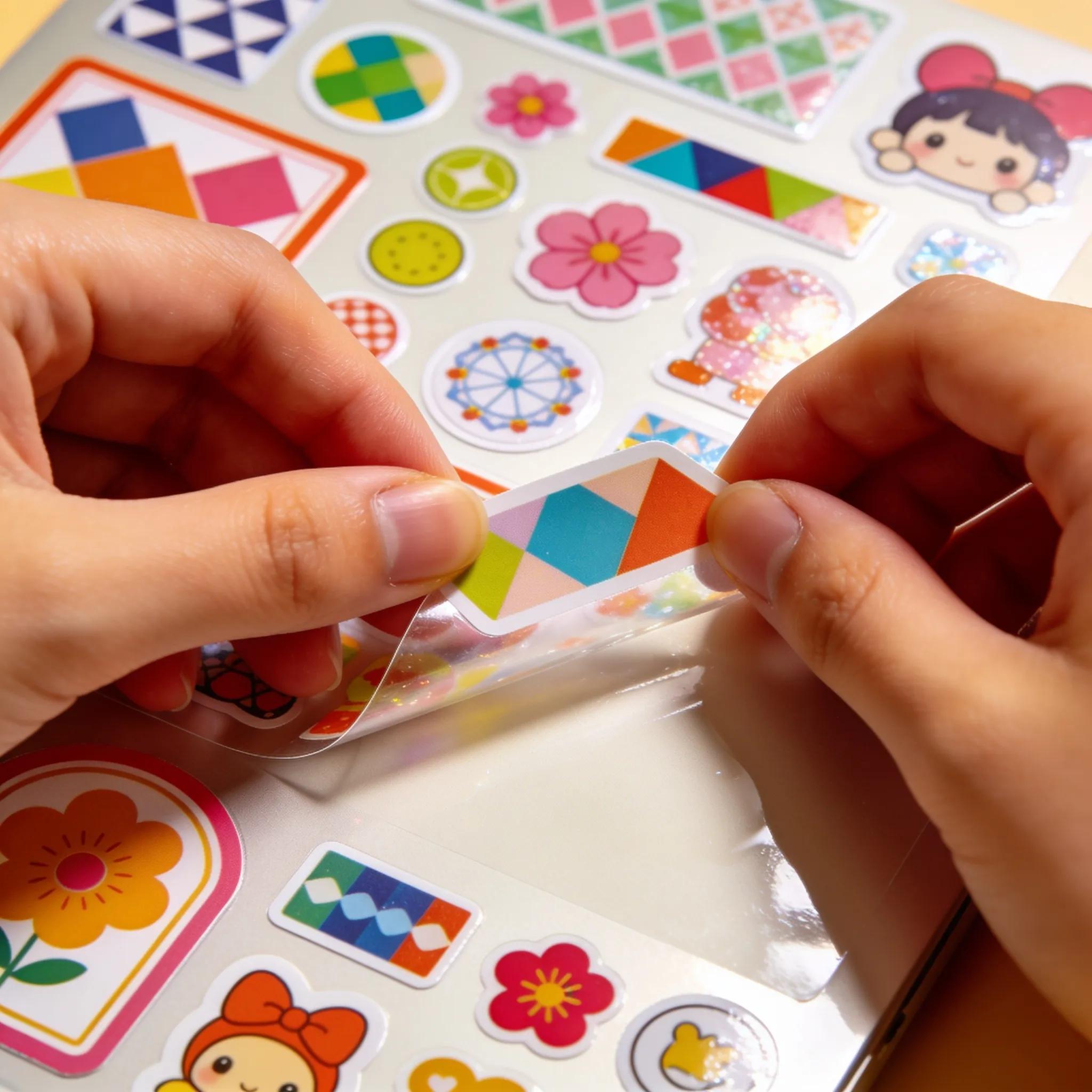
Die-cut stickers can be employed in various practical applications that extend beyond branding and marketing. From personalizing customer packages to serving as unique giveaways at events, these stickers can enhance consumer engagement in multiple ways. Additionally, adopting best practices for usage, such as applying stickers to clean, dry surfaces and avoiding extreme weather conditions, can improve their longevity and appearance.
How Do Businesses Effectively Use Custom Stickers for Marketing and Branding?
Businesses can leverage custom die-cut stickers for a range of marketing strategies. These stickers can be included in product shipments to serve as a fun bonus for customers, or distributed at events as part of promotional merchandise. Engaging with local businesses or partners for sticker exchanges can also create cross-promotional opportunities. Ultimately, the key is to ensure that the sticker designs resonate with the target audience while effectively conveying the brand message.
What Are Care and Maintenance Tips to Ensure Sticker Durability?
To prolong the life of die-cut stickers, there are several maintenance tips to consider. Ensure that stickers are applied to clean, smooth surfaces to enhance adhesion. Avoid exposing stickers to harsh chemicals or extreme temperatures that could cause fading or peeling. For outdoor applications, consider using UV-resistant coatings for added protection against sun damage. By following these care guidelines, businesses and individuals can maintain the visual integrity and functionality of their stickers over time.
How Can Clients Ensure Quality and Transparency When Ordering Custom Die-Cut Stickers?
When ordering custom die-cut stickers, it's crucial to understand processes that ensure quality and transparency. Clients should inquire about production timelines, material quality, and proofing processes to know what to expect from their order. Engaging directly with printing companies can lead to clearer communication and more satisfactory outcomes.
What Should You Expect From Pricing, Production Timelines, and Proofing Processes?
In the realm of custom die-cut stickers, pricing and production timelines can vary depending on factors such as quantity, complexity of the design, and material choice. Typically, clients can expect a range of prices based on these aspects, with production times often falling between 1-2 weeks for standard orders. Proofing processes allow clients to review their designs before production, ensuring that the final product meets their standards and expectations.
How Do Structured Data and FAQs Improve Ordering and Customer Trust?
Incorporating structured data and comprehensive FAQs into the ordering process can significantly improve customer trust and order satisfaction. Clearly addressing potential customer inquiries, such as delivery times, material options, and customization possibilities, helps build a transparent relationship between the client and the printer. This approach not only facilitates smoother transactions but also cultivates confidence in the service offered.
Comments